New technologies improve the energy efficiency, comfort and sustainability of modern building envelopes
Troisdorf. In modern building envelopes, glass is far more than a design element. It performs essential functions: thermal insulation, daylight utilisation and user comfort. At the same time, it influences the economic performance of a building throughout its entire life cycle. High-performance glazing reduces energy consumption, lowers operating costs and helps achieve sustainability targets in both new construction and refurbishment projects.“ Glass combines architectural design with measurable performance, making it a key component of future-ready buildings,” says Jochen Grönegräs, Managing Director of the German Flat Glass Association (BF).
Energy efficiency as a cornerstone
Energy efficiency remains one of the key drivers in modern glazing. Existing buildings offer considerable potential for improvement, as demonstrated by a 2024 study conducted by BF and the German Window and Façade Association (VFF). According to the study, around 209 million window units in Germany are energetically outdated. Replacing them with modern windows could reduce annual CO₂ emissions by almost 11 million tonnes.
In new buildings, advanced glazing systems and innovative frame technologies also play a crucial role in reducing heating and cooling demand. Quality is essential: the Flat Glass Quality Association awards RAL quality marks for insulating glass and safety glass, ensuring consistently high standards of performance, durability and quality.
“Anyone taking a holistic view of building performance should also consider glazing. It has a direct impact on energy consumption, comfort and the building’s carbon footprint,” says Grönegräs.
Focus on design diversity
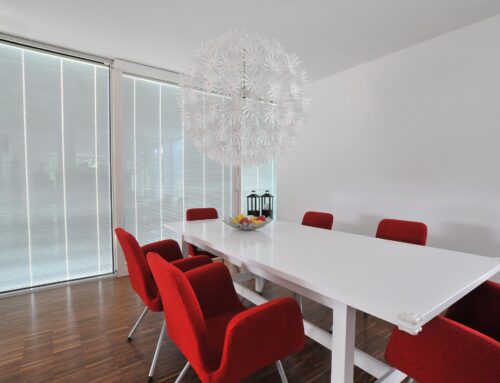
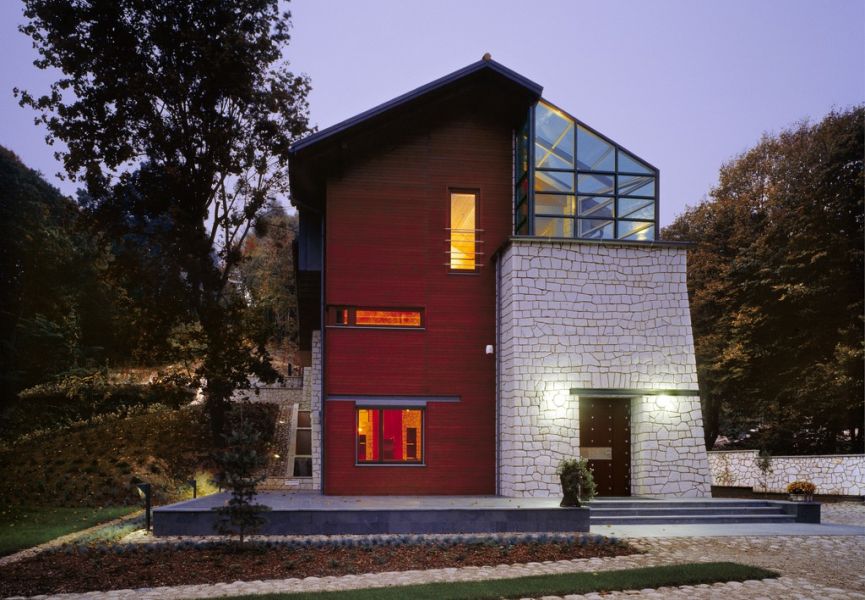
Alongside their high energy performance, glass elements are indispensable in contemporary architecture. They shape the appearance of modern buildings, create visual connections, enhance spatial relationships and bring openness to interior spaces. Through the interaction of light, shadow and reflection, glass creates unique architectural effects. In both residential and commercial buildings, this combination of functionality and aesthetics is becoming increasingly important.
Smart and Connected Facades
Glass is increasingly evolving from a passive building component into an integral part of intelligent buildings. Sensors, adaptive coatings and digitally connected systems automatically control daylight, solar gains and shading. All of this happens automatically, without requiring intervention from building users.
This “active façade” combines material expertise with digital building technologies – a trend that is expected to gain further momentum in 2026. Modern building envelopes are becoming active components of energy management systems.
Sustainability Throughout the Entire Life Cycle
The focus is shifting beyond pure efficiency towards a holistic life-cycle perspective. How will a building component perform over decades? How can it be reused or recycled in a resource-efficient manner? High-quality glazing scores highly in terms of energy efficiency, durability, repairability and recyclability.
The German Flat Glass Association promotes this development together with the Flat Glass Quality Association by recognising glazing products that meet clearly defined quality and testing standards. This creates a reliable foundation for sustainable construction.
The future of glazing lies in the combination of technical performance, design flexibility and sustainability. For building owners, planners and architects, glass remains a key building block of future-ready building envelopes.