
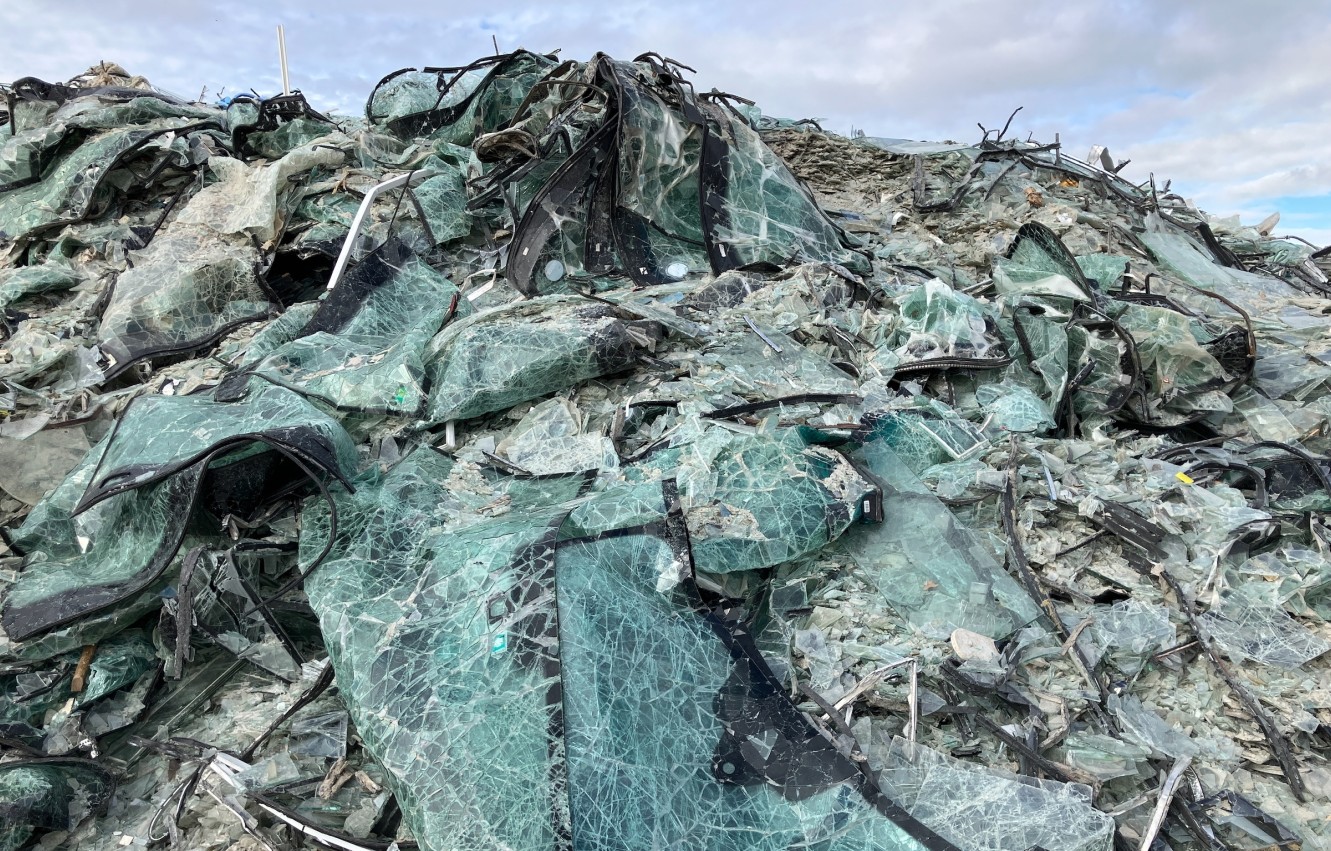
One of the key challenges of our time is the way we use raw materials. Reuse and recycling of materials – especially plastics – are important building blocks for a more sustainable economy. However, the real challenge goes even further: in the long term, our planet cannot meet humanity’s continuously growing demand for raw materials.
The current Circularity Gap Report 2025 paints an alarming picture. According to the report, around 93 percent of all materials used worldwide are derived from virgin resources and often end up as waste after use.¹ As a result, the global circular economy continues to decline.
Resource Consumption and Climate Change Are Directly Connected
The urgency of this issue becomes particularly clear when looking at the connection between material consumption and greenhouse gas emissions. Large parts of global emissions are directly linked to the extraction, processing, and use of materials.
From the clothes we wear and the smartphones we use to food production, our consumption patterns are among the largest drivers of emissions. The building sector is especially significant in this context. Construction alone is responsible for approximately 36 percent of greenhouse gas emissions and around 50 percent of natural resource consumption.²
For this reason, the construction industry and the materials it uses play a crucial role in conserving resources and reducing emissions.
The Consequences of a Linear Economy Are Already Visible
The impacts of this linear economic model are already clearly visible and are reflected in the accelerating climate crisis. In its latest synthesis report, the Intergovernmental Panel on Climate Change (IPCC) warns that global warming has already dangerously altered natural systems and that the window for effective action is rapidly closing.³
According to current estimates, between 3.3 and 3.6 billion people live in regions that are highly vulnerable to the impacts of climate change.³ The report’s core message is clear: the effects we are witnessing today are occurring faster and are more far-reaching than expected just a few decades ago.
We are already in the midst of this development. Global heat records, devastating wildfires, and historic floods are no longer distant future scenarios – they are today’s reality.⁴
Circular Economy as an Essential Approach
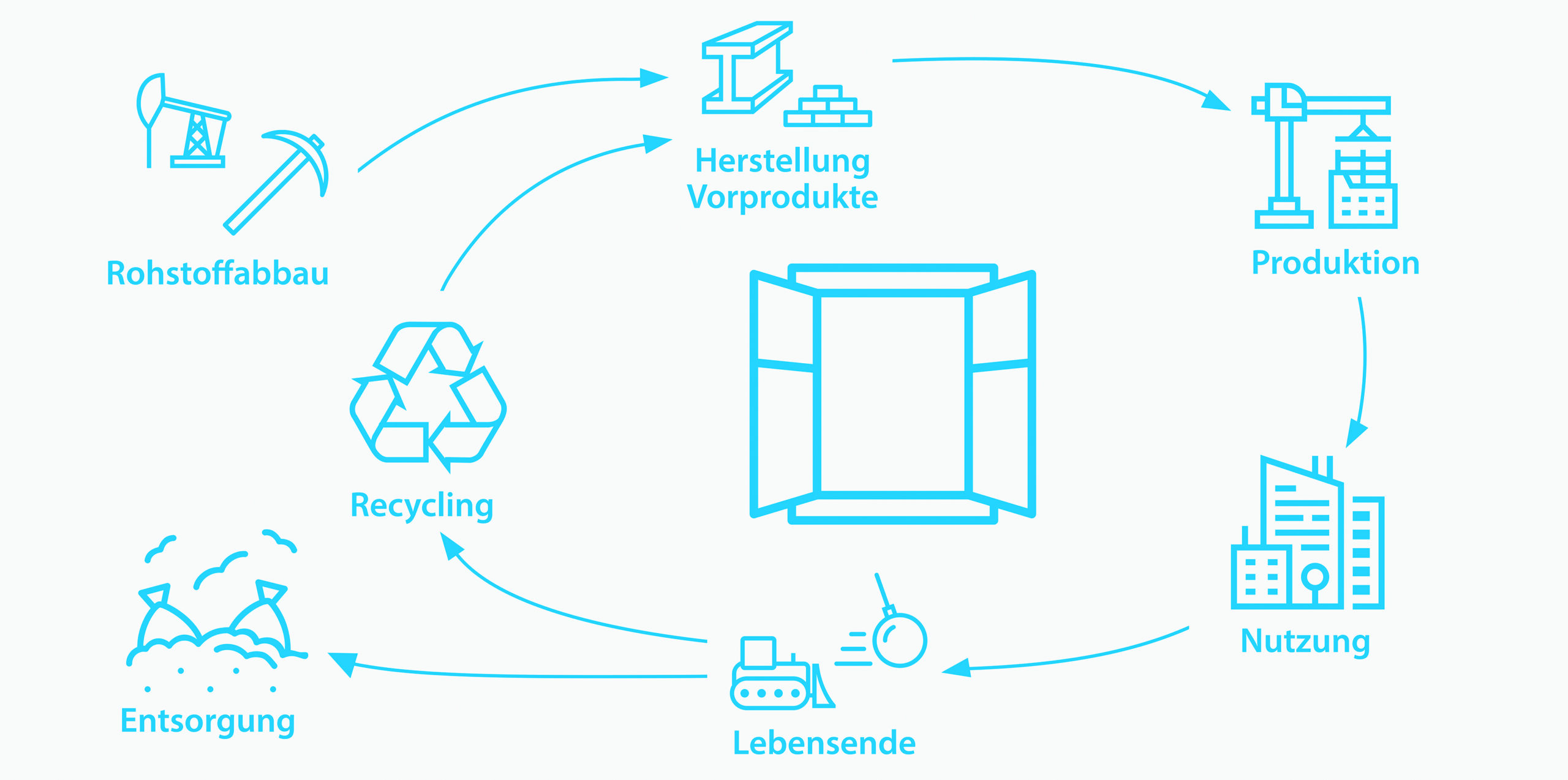
Against this backdrop, it becomes clear why the circular economy is far more than just a buzzword. It represents a fundamental shift in the way resources are managed: materials should remain in use for as long as possible, be reused or recycled, and thereby reduce the demand for new raw materials.
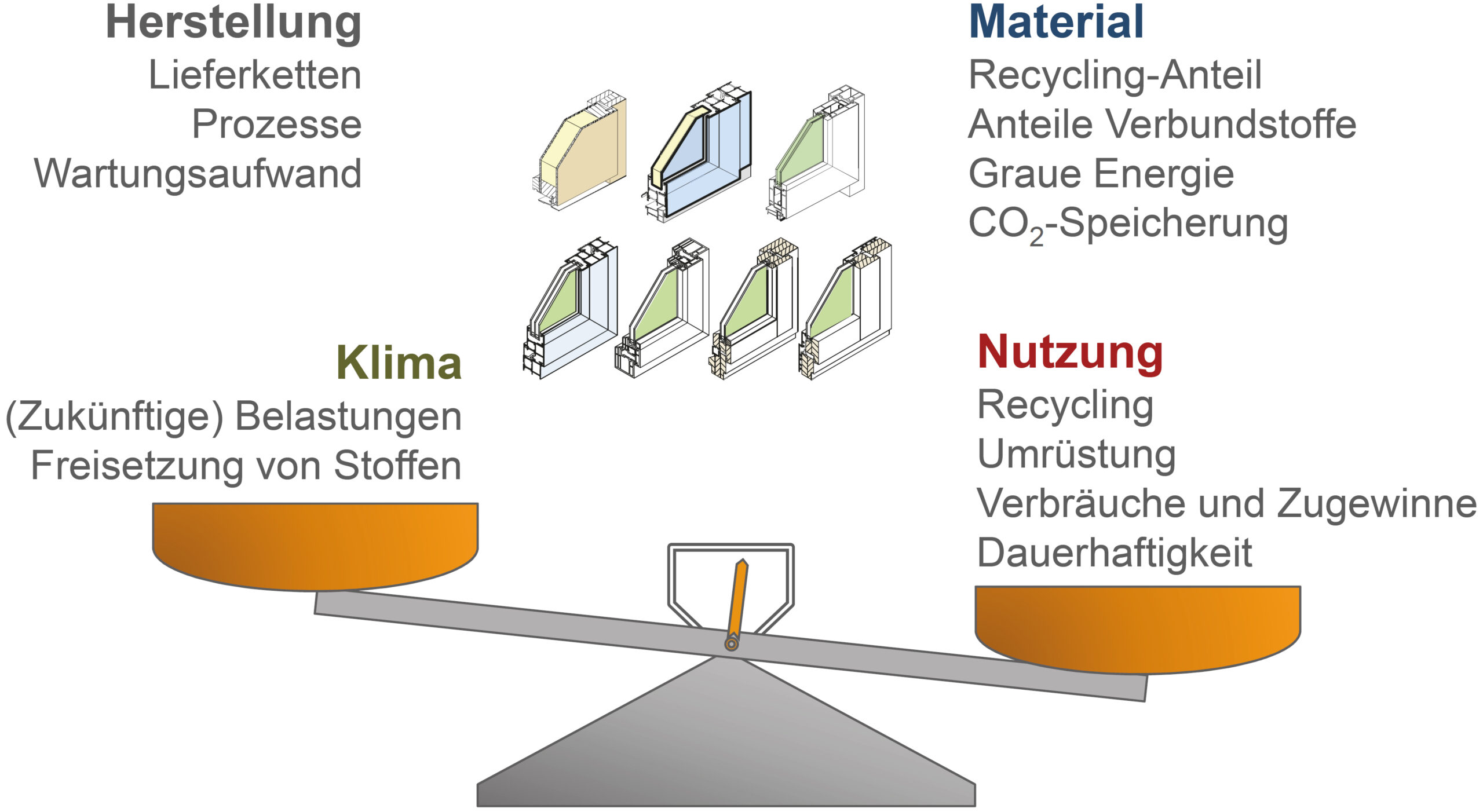
In the construction sector in particular, this means using materials efficiently, considering reuse from the outset, and placing greater focus on the entire life cycle of products.
What the German Flat Glass Association Is Doing in the Field of Sustainability
To address climate and sustainability topics, the German Flat Glass Association (Bundesverband Flachglas) established the “Climate and Sustainability” working group. This group focuses on key issues related to sustainability, resource efficiency, and the role of flat glass in the context of sustainable construction.
One of the first results of this work has already been published: a guideline on Environmental Product Declarations (EPDs). The document explains the principles of an EPD, outlines the information it contains, and describes how EPDs are used in practice.
The guideline is available for free download in both German and English on the website of the German Flat Glass Association.
Outlook
The requirements for resource-efficient and climate-conscious business practices will continue to grow. This makes it increasingly important to strengthen the principles of the circular economy within both the construction industry and the glass sector.
The German Flat Glass Association will continue to engage intensively with these topics and provide important impulses for the industry.
Conclusion
Sustainability is more than a trend – it is a guiding principle for responsible action in business, society, and construction. In future blog articles, we will highlight how the flat glass industry contributes to sustainable transformation. Our next blog post will focus specifically on the topic of circular economy.
Who contributed to this article?
This article was created in collaboration with Michael Elstner, Product Manager for Glass and Building Materials at ift Rosenheim. He is actively involved in the German Flat Glass Association as spokesperson for the “Climate and Sustainability” working group.
2 www.europarl.europa.eu (07.02.2024); JRC Study on Construction and Demolition Waste; Wealthcap: Circular Economy – Potenziale für Bestandsimmobilien.
³ IPCC, 2023: Climate Change 2023: Synthesis Report. Contribution of Working Groups I, II and III to the Sixth Assessment Report of the Intergovernmental Panel on Climate Change. IPCC, Geneva, Switzerland, pp. 35–115, doi: 10.59327/IPCC/AR6-9789291691647.
⁴ Mittelbayerische Zeitung, 01. März 2022, 78. Jahrgang, Nr. 49.




Leave A Comment