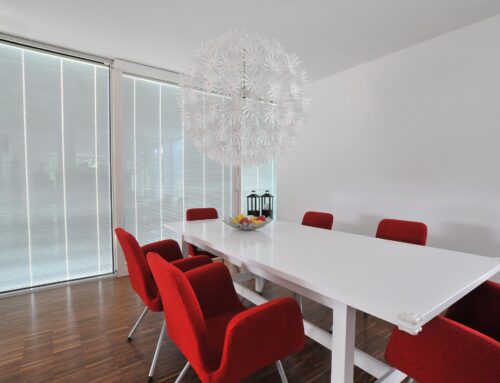
Troisdorf, July 1, 2025 – Daylight is essential for healthy, pleasant, and productive living and working environments. Smart window design allows natural light to penetrate deep into rooms, promoting health, well-being, and performance. In the planning of future-proof buildings, the optimal use of daylight through high-quality glazing is becoming increasingly important.
Adequate daylight supports the body’s natural rhythm, lifts the mood, and improves concentration. Studies show that people who are regularly exposed to natural light remain healthier and more productive. At the same time, we spend most of our day indoors. “Generously sized glass surfaces allow sunlight to enter rooms evenly and deeply,” says Jochen Grönegräs, Managing Director of the German Flat Glass Association (Bundesverband Flachglas e.V.). “Properly sized and positioned windows, combined with the right glazing products, bring more energy and vitality into everyday life.”
Natural Light Affects Both Body and Mind
Daylight entering through windows directly influences various biological processes in the body. It plays a key role in regulating the release of melatonin, the hormone that controls our sleep-wake cycle. With sufficient daylight, melatonin production is suppressed—keeping us alert, awake, and full of energy. When natural light is lacking, melatonin levels remain high, making us feel tired and less focused. Windows that are too small or poorly positioned can contribute to sleep disturbances, lack of concentration, and low mood. “Bright, light-filled rooms support our internal clock and encourage a healthy, active life,” explains Grönegräs.
Choosing the Right Window: More Than Just a View
Smart window solutions—such as daylight-directing systems, special coatings, or adaptive glazing—make it possible to flexibly control incoming light. This keeps indoor spaces bright and welcoming without causing glare or overheating. At the same time, modern windows provide consistent, pleasant lighting while minimizing disruptive reflections, ensuring visual comfort. In both living and working environments, these solutions contribute significantly to health, personal well-being, and overall quality of life.
Anyone planning a new build or modernizing a building can make a real investment in user health by focusing on thoughtful window design and high-quality glazing. “Thoughtful window planning not only creates bright spaces—it also fosters a welcoming atmosphere and enhances quality of life,” concludes Jochen Grönegräs.